
October 20, 2026
HVAC Web Design Guide: Complete 2026 Strategy for Contractors
HVAC website design guide for contractors: essential pages, platform comparison, Core Web Vitals, and conversion tactics to turn visitors
Published On: June 10, 2026
Published By: Designocracy
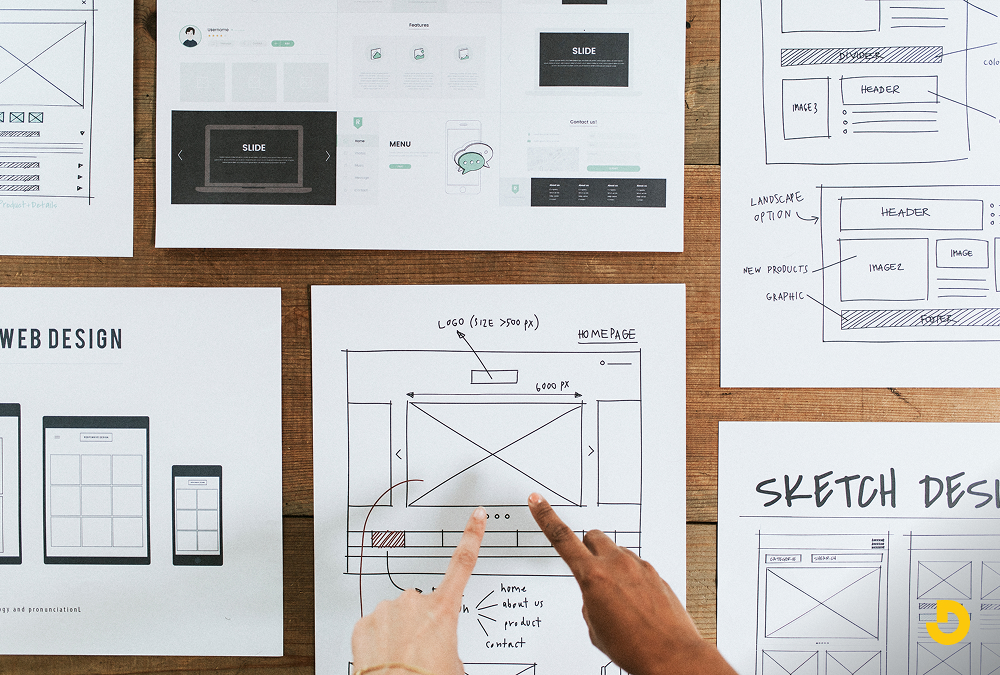
You see it every day. But defining what is web design can feel tricky.
Simply put, web design is the process of planning, creating, and arranging the visual and interactive elements of a website. It is not just about making things look pretty. It's about solving problems.
Good web design helps people find information quickly. It guides users to click a button or buy a product. Bad web design confuses people. They leave and never come back.
At Designocracy, we believe web designing is a blend of art and logic. This guide covers the basics of website design. You will learn how to create a site that works for your audience.
Before you build anything, you need to understand the parts. A successful webpage design relies on a few key pillars. When these work together, the site feels seamless.
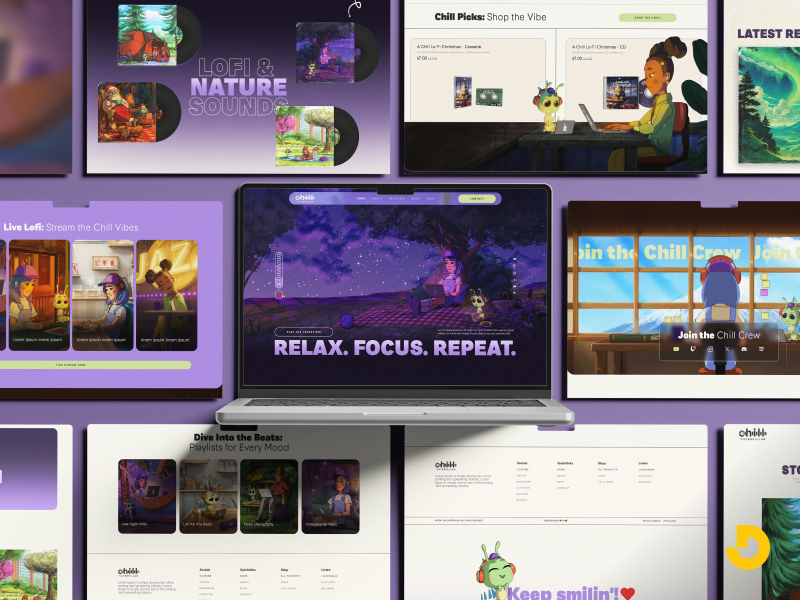
Professional website designer use layout to direct your eye. They place important items where you will see them first. Size, color, and position all play a part.
Think of a news site. The biggest headline is the most important story. Smaller text is less urgent. This hierarchy helps users scan web designs in seconds rather than minutes. A messy layout creates friction. A clean layout builds trust.
Color is not just decoration. It triggers emotion and recognition. Blue often signals trust. Green might mean go or success. You don't need a rainbow. A simple palette of two or three colors works best.
Fonts matter just as much. If people cannot read the text, the design fails. Stick to web-safe fonts or systems like Google Fonts. Use one font for headings and another for body text. Keep the size at least 16px for paragraphs. This makes the web design content accessible to everyone, including mobile users.
This is the most practical part of internet web design. Users need to know where they are. They need to know how to get back.
Your menu should be simple. Do not hide items in tricky places. If a visitor needs to click more than three times to find a phone number or product, the navigation is broken. Good usability keeps people on your site longer. It reduces frustration.
Not all web designs work the same way. The technical build changes how you update the site.
A static website is fixed. It looks the same to every user. These are usually small sites with just a few pages. Think of a simple online brochure or a personal portfolio. They are fast and easy to host. But to change one sentence, you often have to edit the code of that specific page.
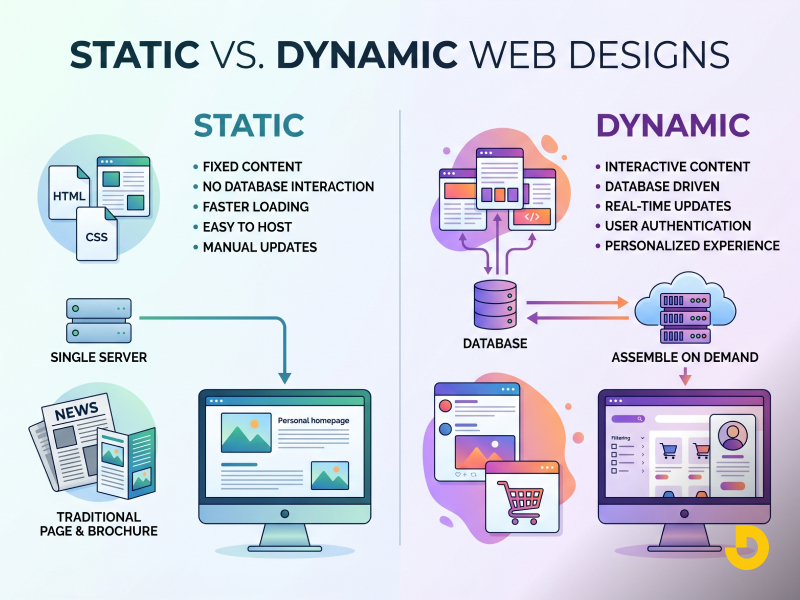
A dynamic website uses a database. It generates content in real time. When you log into a shopping site and see "Recommended for you," that is dynamic design. These sites use content management systems (CMS). This allows a business owner to update text or add products without touching code.
Most modern businesses need dynamic sites. They scale better. They offer more features.
You cannot talk about modern webpage design without discussing UX. This stands for user experience.
UX is how a person feels when moving through your site. It focuses on logic and ease of use. A website designer using UX principles does not guess. They research. They build wireframes—which are basic blueprints of a page—to map out where buttons and text go.
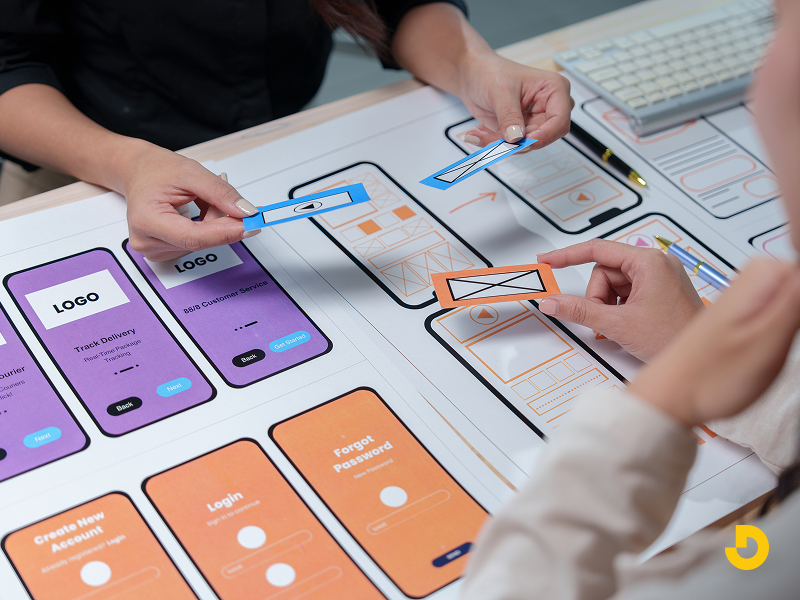
We focus on this at Designocracy. A beautiful site that confuses the visitor is a failure. A simple site that gets the user to the finish line is a success. Start by asking: "What does the user need right now?" Answer that question before you pick a single color.
Over half of all web traffic comes from phones. If your website design does not work on a small screen, you are losing business.
Responsive design means the layout shifts. On a desktop, you might see three columns of text. On a phone, those columns stack into one long list. The user should not have to pinch and zoom to read your words. Google also prioritizes mobile-friendly sites in search results. If you skip this step, no one will find you.
Design must serve the content. Too many people build empty layouts first. Then they try to force words into the boxes. This is backwards.
You should write or collect your text before you open the design tool. Know what the headlines say. Know what images you will use. Real content shows you exactly how much space you actually need.
A good web design services description clearly states what the business does. If you are hiring help, look for providers who ask about your text first. If they only talk about colors and cool effects, be careful. Substance wins over style every time.
Your site can look amazing, but if Google cannot read it, you will not get traffic. SEO starts with the design.
Clean code helps search engines crawl the site. Fast loading speeds keep visitors from bouncing. Text should be real text, not text hidden inside an image. Use headings (H1, H2, H3) to break up your web design content. This helps both readers and robots understand the page structure.
To rank for "what is web design," focus on answering the query instantly. Web design is the process of structuring and styling the visual elements of a site. It covers layout, color theory, user interface (UI), and user experience (UX). A strong website design prioritizes mobile responsiveness and fast load times. It differs from development, which focuses on the backend code. Good design attracts users, while good development keeps the site running. Understanding this distinction is crucial for hiring the right website designer for your project.
You might decide to do it yourself. Or you might hire a professional. If you look for a website designer, check their portfolio. Look for mobile views. Look for loading speed.
Ask how they handle revisions. A trustworthy designer asks about your brand voice and your customers. They do not just guess. They show you wireframes before they build the final product. Quality web design services description examples will always mention strategy, not just visuals.
Web design is a skill. It mixes psychology, technology, and art. Whether you are updating a personal blog or a business page, focus on the user first. Keep the layout clean. Make the text readable. Ensure the buttons work on a phone.
If you need help creating a digital presence that actually performs, consider working with experts who prioritize strategy over flash.