October 14, 2026
11 Best Online Reputation Management Companies in 2026
Compare the 11 best online reputation management companies by pricing and services. ORM costs from review tools to crisis management.
Published On: May 29, 2026
Published By: Designocracy
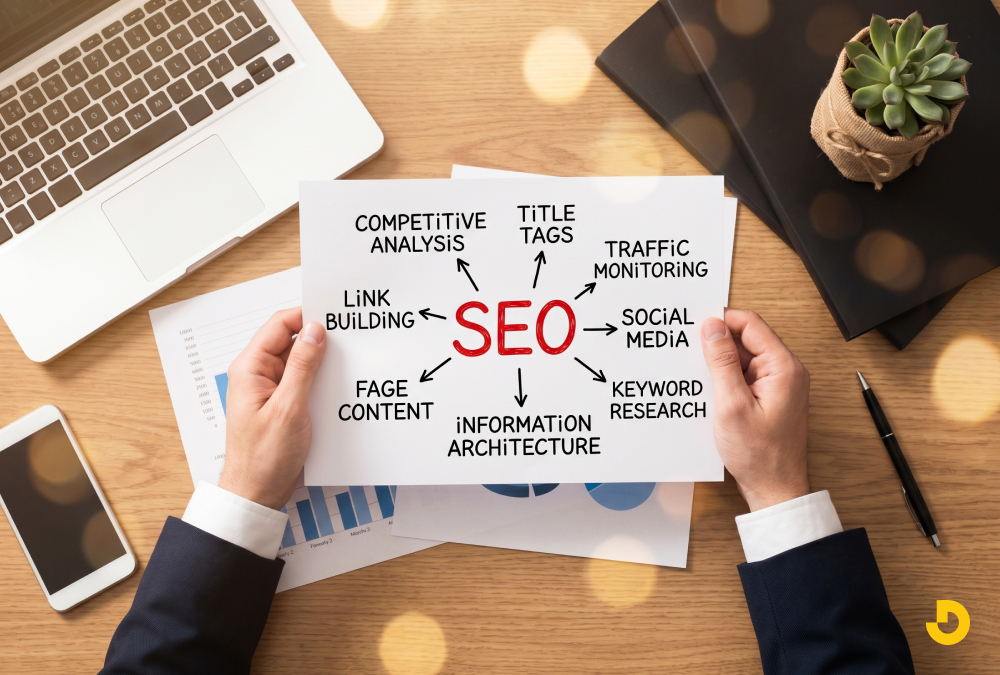
Internal linking is one of the simplest SEO strategies most websites ignore. Yet it directly affects rankings, crawlability, page authority, and user experience. Done correctly, internal linking helps Google understand your website structure and guides visitors to your most important pages.
Internal links connect pages within the same website. They help search engines discover content, understand topical relationships, and distribute authority across pages.
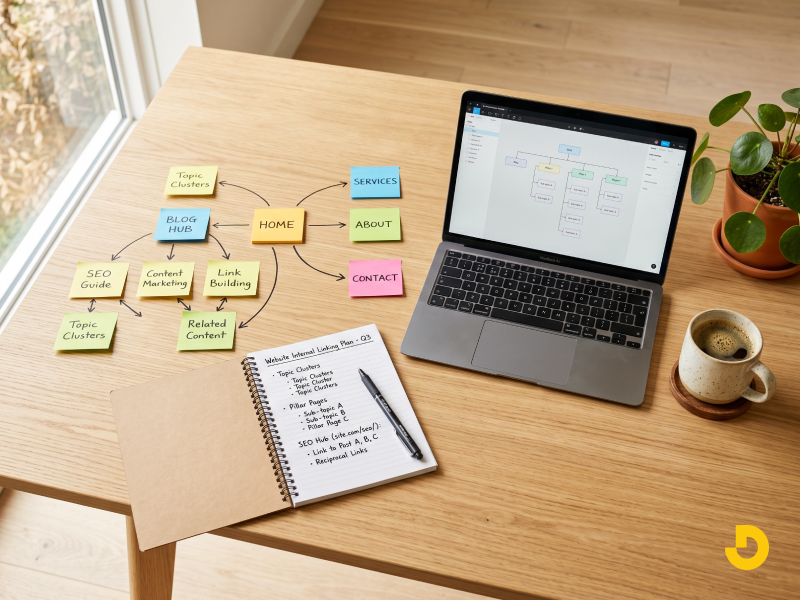
Without internal links, pages become isolated. Google may struggle to crawl them, and users may never find them.
Strong internal linking improves:
Anchor text tells Google what the linked page is about. Avoid vague phrases like “click here” or “read more.” Use clear, descriptive text that matches the topic.
Example:
Always link related content together. Relevant internal links improve user experience and strengthen topical authority.
Do not link unrelated pages simply to add more links.
Too many internal links dilute authority and confuse users. Focus on quality over quantity.
Most SEO experts recommend keeping internal links focused and useful instead of excessive.
Placement affects link value and visibility. Important links should appear naturally within the content.

Best locations for internal links include:
Avoid hiding links in small text or low-contrast colors.
Create one main pillar page covering a broad topic. Then create supporting cluster pages covering subtopics.
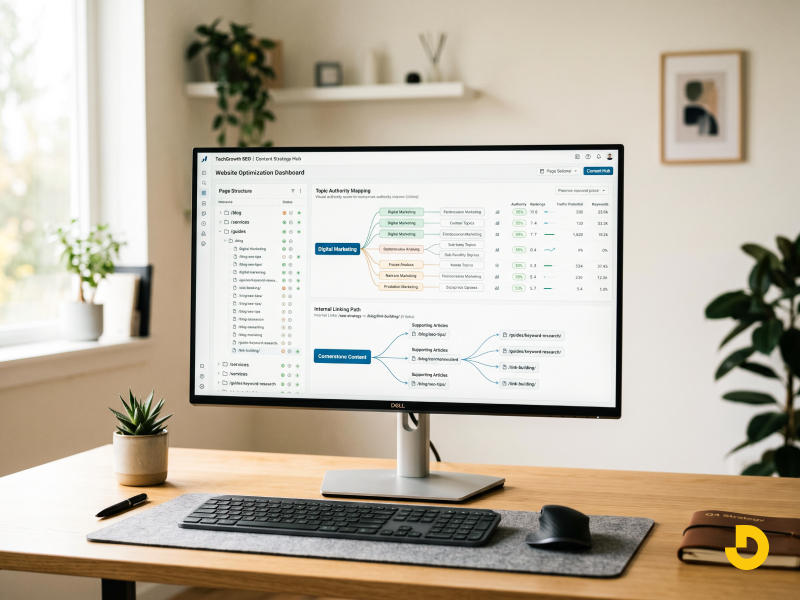
Each cluster page links back to the pillar page, while the pillar page links to all supporting pages.
This strategy helps search engines identify topic authority and improves rankings.
Add a related posts section after every blog post. Manually choose relevant content instead of relying on random plugin suggestions.
This keeps users engaged longer and improves page discovery.
As you write new content, look for opportunities to reference older articles naturally.
Whenever you mention a topic already covered elsewhere on your site, add a contextual internal link.
Using only one internal link per article limits SEO value. Aim for multiple relevant links throughout the content.
Broken links hurt user experience and waste crawl budget. Regularly audit your site to fix broken URLs.
Internal links should usually open in the same tab to maintain a smooth browsing experience.
Avoid using the same anchor text for multiple destination pages. This creates confusion for search engines.
Regular audits help identify linking opportunities and technical issues.
Use tools like Screaming Frog to generate internal link reports.
Orphan pages have no internal links pointing to them. Add relevant links to improve visibility.
Pages overloaded with links lose SEO value and confuse users.
Repair or redirect broken internal links immediately.
Ecommerce sites require a structured linking strategy because they often contain hundreds or thousands of pages.
Effective ecommerce internal linking includes:
Avoid linking every product directly from the homepage.
Every time you publish new content, add links to older pages and update old pages with links to the new content.
Review older content every six months to:
| SEO Internal Linking Topic | Description | SEO Benefit | Best Practice |
|---|---|---|---|
| What is Internal Linking? | Internal linking connects pages within the same website using hyperlinks. | Improves crawlability and page indexing. | Link related pages naturally within content. |
| Internal Linking SEO | Strategic internal links help search engines understand website structure. | Boosts rankings and topical authority. | Use a structured linking strategy. |
| Anchor Text Optimization | Anchor text explains the linked page topic. | Improves keyword relevance and SEO signals. | Use descriptive and natural anchor text. |
| Pillar-Cluster Model | Main pillar pages connect with supporting cluster content. | Strengthens topic authority and site hierarchy. | Link cluster pages back to the pillar page. |
| Contextual Internal Links | Links added naturally inside relevant content paragraphs. | Passes stronger SEO value. | Insert links where they help users most. |
| Related Posts Strategy | Add related blog posts below articles. | Increases page views and engagement. | Manually select highly relevant posts. |
| Internal Link Placement | Links placed higher on the page carry stronger value. | Improves authority flow. | Add important links within the first paragraphs. |
| Navigation Linking | Main menus and navigation help users access key pages. | Improves user experience and crawling. | Include priority pages in navigation menus. |
| Footer Internal Links | Footer links help distribute authority sitewide. | Supports important page discovery. | Link only essential pages in the footer. |
| Broken Internal Links | Broken links create poor user experience and crawl issues. | Prevents SEO performance loss. | Regularly audit and fix broken links. |
| Orphan Pages | Pages without internal links pointing to them. | Harder for Google to discover and rank. | Add links from relevant high-authority pages. |
| Internal Link Audits | Auditing helps identify linking opportunities and issues. | Improves overall website SEO health. | Use Screaming Frog or SEO audit tools quarterly. |
| Ecommerce Internal Linking | Structured product and category linking for online stores. | Improves product visibility and crawling. | Link categories, subcategories, and related products. |
| Link Relevance | Links should connect closely related topics. | Improves topical authority and UX. | Avoid unrelated internal links. |
| Link Quantity Optimization | Too many links dilute SEO value. | Maintains focused authority flow. | Use only useful and relevant internal links. |
| User Experience (UX) | Internal links help visitors navigate websites easily. | Reduces bounce rate and increases session duration. | Keep linking natural and user-focused. |
| Content Updates | Updating old content with new internal links improves SEO. | Helps refresh rankings and page relevance. | Review content every six months. |
| Internal Links vs Backlinks | Internal links connect same-domain pages, while backlinks come from external websites. | Both improve SEO authority differently. | Use strong internal structure alongside backlink strategies. |
| Google Crawl Efficiency | Internal links guide search engine crawlers through the website. | Improves indexing speed and crawl depth. | Create logical website architecture. |
| SEO Content Clusters | Groups related content around one main topic. | Strengthens topical relevance and rankings. | Use strategic interlinking between cluster pages. |
Internal linking SEO is one of the most overlooked website optimization strategies. It requires planning, consistency, and regular updates.
Simple improvements like adding relevant contextual links, improving anchor text, and fixing orphan pages can significantly improve rankings and user engagement.
Start with one page today. Add relevant internal links using descriptive anchor text and build a stronger website structure over time.