You hear the term everywhere. Digital marketing. Online marketing. Marketing digital.
Everyone says you need it. Few people explain what it actually includes.
Here is the truth. Digital marketing is not one thing. It is eight different channels. Each works differently. Each reaches people in different ways.
Some businesses need all eight. Most only need two or three. The trick is knowing which ones matter for your specific situation.
This guide walks through each type. No hype. No fluff. Just a clear breakdown of what is digital marketing and how each piece fits together.
Here is a clear, direct answer to the core question. Search engines may pull this into a featured box.
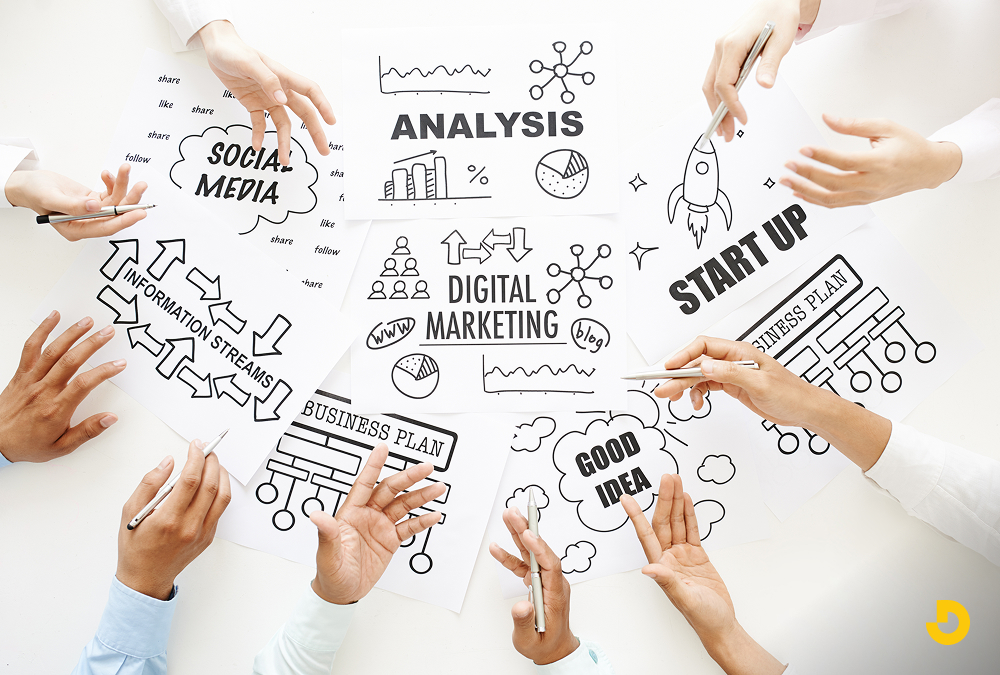
Digital marketing is the promotion of products or services using internet-connected devices. It includes channels like search engines, social media, email, and websites. The 8 main types of digital marketing are search engine optimization (SEO), pay-per-click advertising (PPC), social media marketing, content marketing, email marketing, affiliate marketing, influencer marketing, and mobile marketing. Each type serves a different purpose in reaching potential customers online. Understanding what is digital marketing means knowing which channels work best for your specific business goals.
1. Search Engine Optimization (SEO)
SEO is the process of getting your website to rank higher in Google search results. When someone searches for "plumber near me" or "best running shoes," SEO determines whether they see your site or your competitor's.
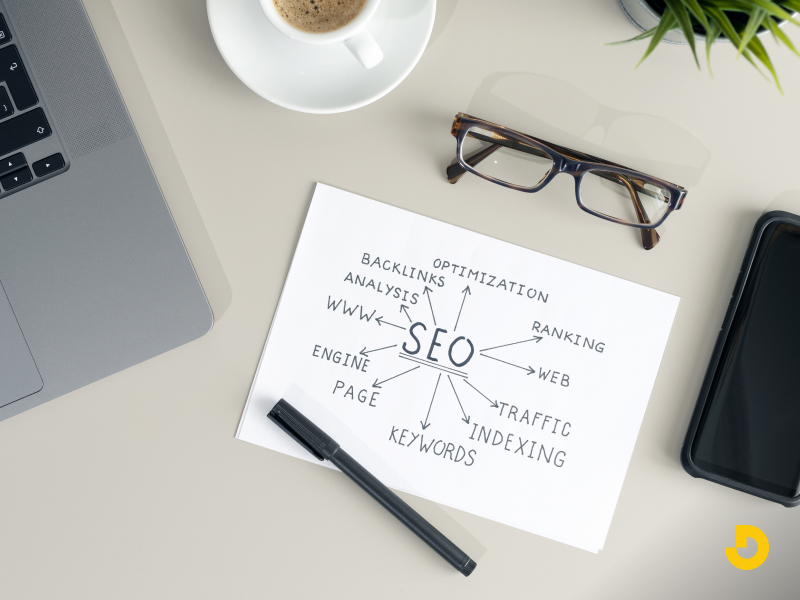
SEO works slowly. You will not see results tomorrow. But the results last. A well-optimized page can bring in traffic for years without ongoing ad spend.
SEO includes three main areas:
- On-page SEO (keywords, headings, content structure)
- Off-page SEO (backlinks from other sites)
- Technical SEO (site speed, mobile friendliness, crawlability)
Most businesses should start with SEO. It has the best long-term return on investment. Companies like Designocracy focus heavily on this channel because it keeps working after you stop paying.
2. Pay-Per-Click Advertising (PPC)
PPC is the opposite of SEO. You pay for each click on your ad. When you stop paying, traffic stops immediately.
Google Ads is the most common PPC platform. You bid on keywords. Your ad shows at the top of search results. You pay only when someone clicks.
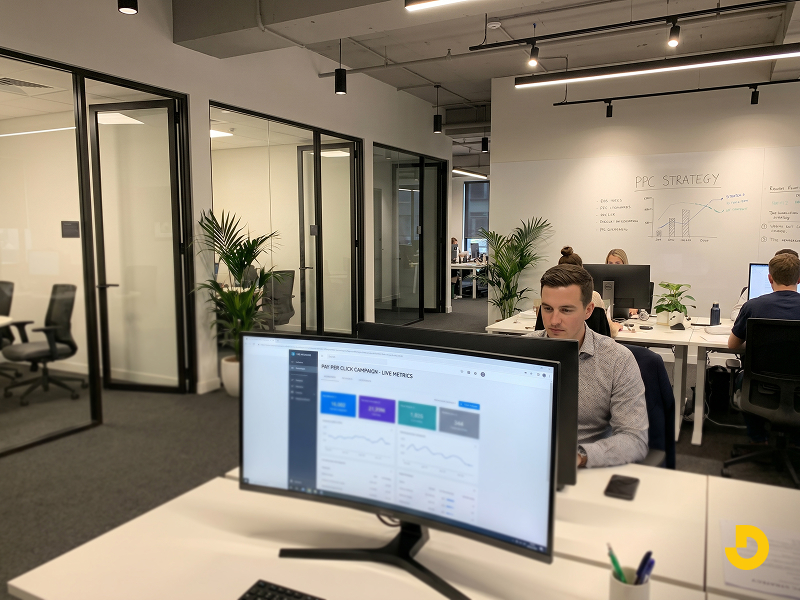
PPC works fast. You can set up a campaign today and get traffic today. But it costs money every single month. For competitive keywords, each click can cost $5, $10, or more.
Use PPC when:
- You need traffic immediately
- You are testing a new product or offer
- Your SEO is not yet producing results
3. Social Media Marketing
Social media marketing means using platforms like Facebook, Instagram, LinkedIn, TikTok, and Twitter to reach people. This includes both organic posts (free) and paid social ads.
Each platform has a different audience. LinkedIn works for B2B. Instagram works for visual products like clothing or food. TikTok works for younger audiences. Facebook works for local businesses and older demographics.
Posting once per day is usually enough. Consistency matters more than volume. And engagement matters more than follower count. A small, engaged audience is better than a large, silent one.
4. Content Marketing
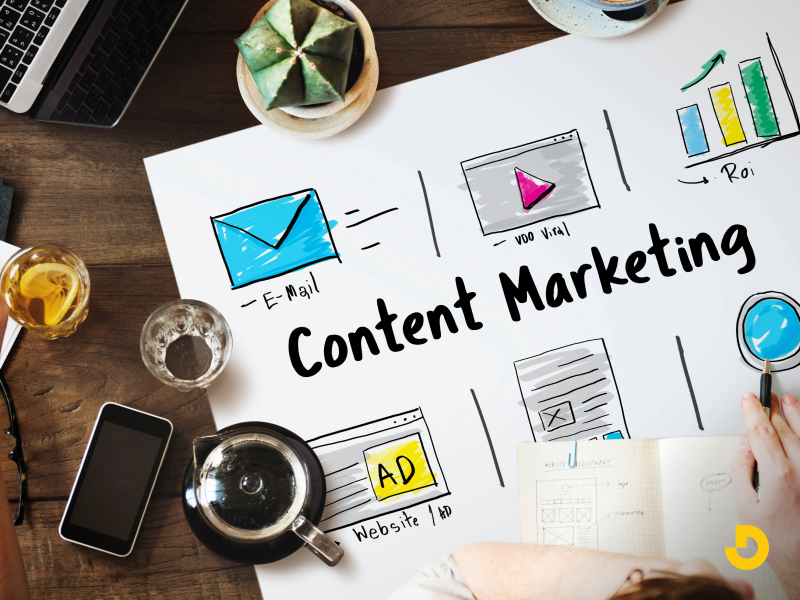
Content marketing is the creation of useful material that attracts people to your business. Blog posts. Videos. Podcasts. Infographics. Ebooks. Guides.
The key difference between content marketing and other types of digital marketing is that content does not directly sell. You are not asking for the sale in a blog post. You are answering a question or solving a problem.
This builds trust. When someone reads five of your blog posts and finds them helpful, they are more likely to buy from you later.
Content marketing works closely with SEO. The content you create is what Google ranks in search results. Without content, SEO has nothing to optimize.
5. Email Marketing
Email marketing is often ignored. That is a mistake.
Email has the highest return on investment of any online marketing channel. For every $1 spent, the average return is $36. No other channel comes close.
Email works because you own the list. Social media platforms can change their algorithms. Google can update its search rules. But your email list is yours. No one can take it away.
Build your email list from day one. Offer something useful in exchange for an email address. A discount code. A free guide. A checklist. Then send emails that provide value, not just sales pitches.
6. Affiliate Marketing
Affiliate marketing is when you pay other people to promote your products. They earn a commission on each sale they generate.
This is performance-based marketing. You only pay when results happen. No sale means no cost.
Affiliates can be bloggers, YouTubers, Instagram influencers, or coupon sites. They promote your product to their audience. You pay them a percentage of each sale, typically 10% to 30%.
Set up affiliate programs through platforms like ShareASale, CJ Affiliate, or Impact. Or use affiliate plugins if you run an ecommerce store on Shopify or WooCommerce.
7. Influencer Marketing
Influencer marketing is similar to affiliate marketing but different in one key way. Influencers are paid for exposure, not just for sales.
You pay an influencer to mention your product. They get a fee. You get visibility. Whether that visibility turns into sales is your responsibility.
Influencer marketing works best when the influencer genuinely likes your product. Forced promotions feel fake. Followers can tell.
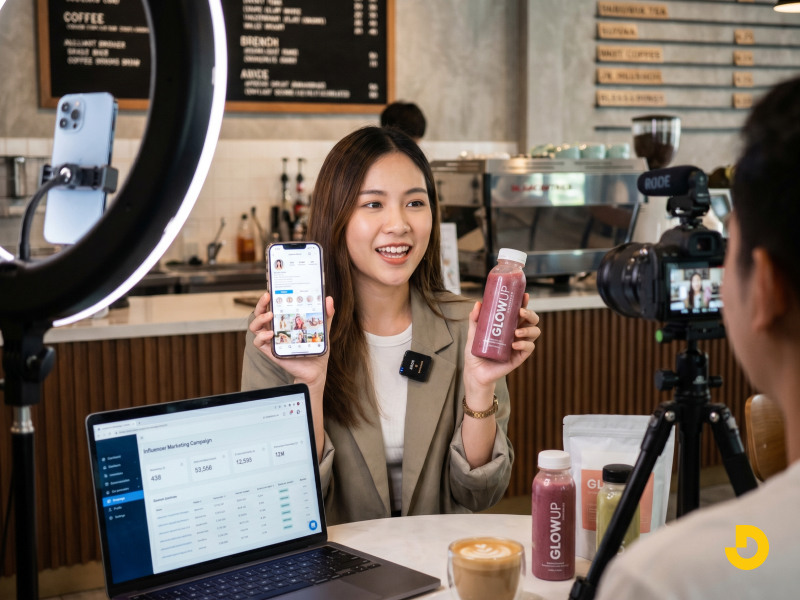
Micro-influencers (10,000 to 100,000 followers) often perform better than celebrities. Their audiences trust them more. And they cost much less.
8. Mobile Marketing
Mobile marketing reaches people on their phones through SMS text messages, in-app ads, or push notifications.
This type of digital marketing is direct. A text message gets read within three minutes on average. Email takes 90 minutes.
Use mobile marketing carefully. People hate spam texts. Always get explicit permission before sending messages. Offer an easy way to opt out.
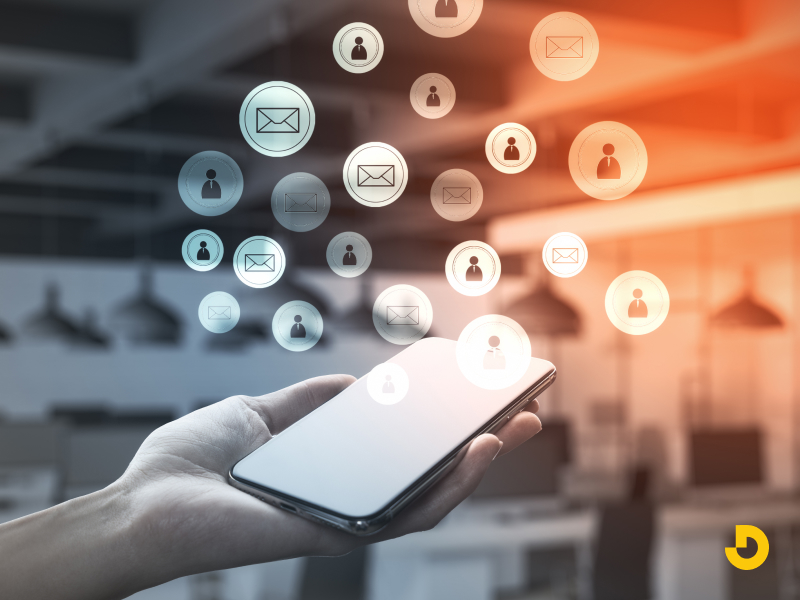
Mobile marketing works well for time-sensitive offers. "Show this text within the next two hours for 20% off." That urgency drives action.
How to Choose the Right Types of Digital Marketing
You do not need all eight. Most small businesses should start with three:
- SEO for long-term, free traffic
- Email marketing for high ROI and list ownership
- One social media platform where your customers actually spend time
Add PPC if you have budget and need immediate traffic. Add content marketing if you can produce useful material consistently. Add affiliate or influencer marketing when you have a product worth promoting.
What Is Digital Marketing Really About?
At its core, what is digital marketing? It is connecting with people where they already spend time. Online.
Your customers are on Google. They are on Instagram. They check email every morning. They read blogs. They watch YouTube.
Digital marketing puts your business in those places. Not with annoying ads that interrupt. With useful information that helps.
That is the shift that matters. Old marketing interrupted. New marketing attracts. The types of digital marketing that work best are the ones that provide value first and ask for the sale second.
A Note From Designocracy
The team at Designocracy has seen hundreds of businesses waste money on the wrong channels. They chase every new platform. They spread their budget too thin. They get frustrated when nothing works.
The fix is simple. Pick two or three types of marketing digital. Do them well. Ignore the rest until those channels are fully optimized.
One good email list beats a weak presence on five platforms. One high-ranking blog post beats ten mediocre social media posts.
Final Thoughts
Digital marketing is not magic. It is a set of tools. Each tool has a specific job.
SEO brings in free traffic over time. PPC buys immediate traffic. Social media builds relationships. Content marketing establishes expertise. Email marketing drives repeat sales. Affiliate and influencer marketing borrow other people's audiences. Mobile marketing sends urgent messages.
You do not need all of them. You need the right ones for your business. Figure out where your customers spend time online. Go there. Be useful. Ask for the sale only after you have earned the right.
That is what is digital marketing done right. Nothing more. Nothing less.