October 9, 2026
10 Best Construction Digital Marketing Agencies in 2026
Top construction digital marketing and SEO agencies featured in industry roundups for 2026 specialize in contractor growth, building materials, and AI search visibility:
Published On: July 10, 2026
Published By: Designocracy
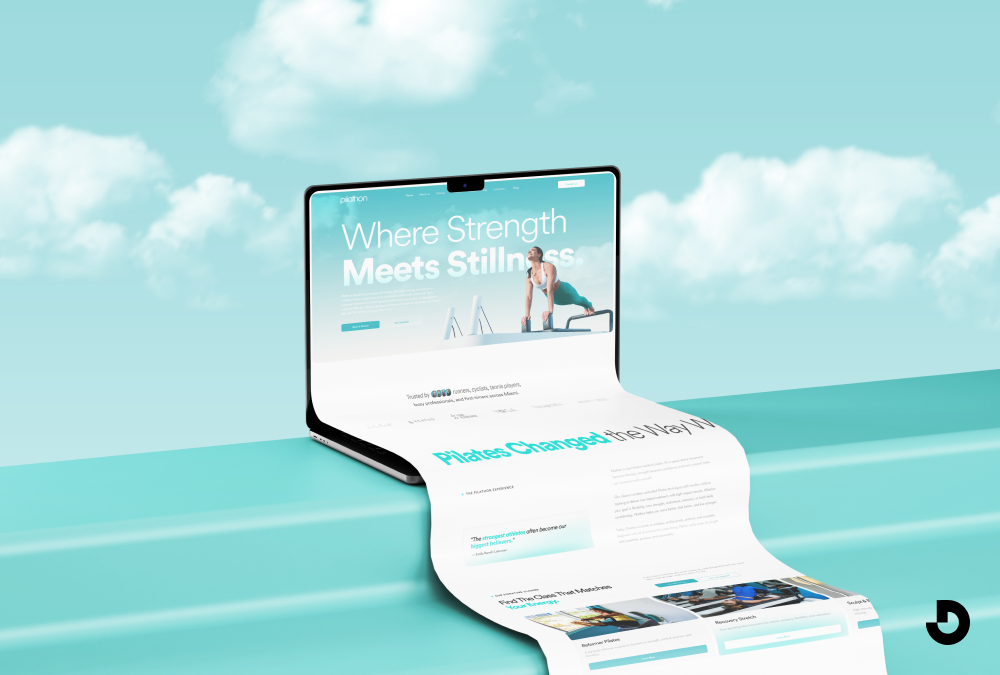
A high-converting gym website needs online membership signup, a class booking system, a mobile-first responsive design, clear membership pricing, trainer profiles, member reviews and transformation photos, fast load speeds, and strong local SEO. These are the fitness website features that turn visitors into members, because they let people join, book, and pay without ever picking up the phone.
In the fitness industry, your website is your front desk, your sales rep, and your class schedule all in one. When someone searches for a "gym near me" at 10 p.m., your site is what decides whether they book a free trial or scroll to your competitor. Great gym website design does not just look energetic; it removes every barrier between a curious visitor and a paying member.
This guide breaks down the must-have fitness website features every gym, studio, personal trainer, and fitness brand needs to attract, convert, and keep members, plus the design and SEO details that help you rank on Google and fill classes.
People choose gyms the way they choose everything else now: by searching online, comparing options, and judging within seconds. If your fitness website is slow, confusing, or missing a clear "Join Now" button, you lose members before they ever walk through your doors.
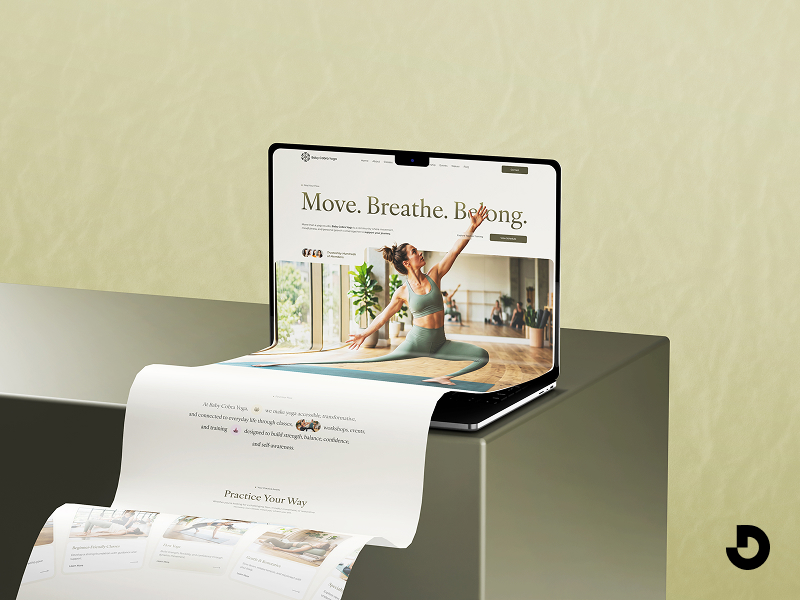
Strong gym website design does three things at once. It builds trust through real photos, reviews, and results. It converts visitors with easy signup, class booking, and clear pricing. And it drives discovery through local SEO, so you show up when nearby people search for a gym, studio, or personal trainer. Get all three working together and your website becomes a 24/7 membership engine.
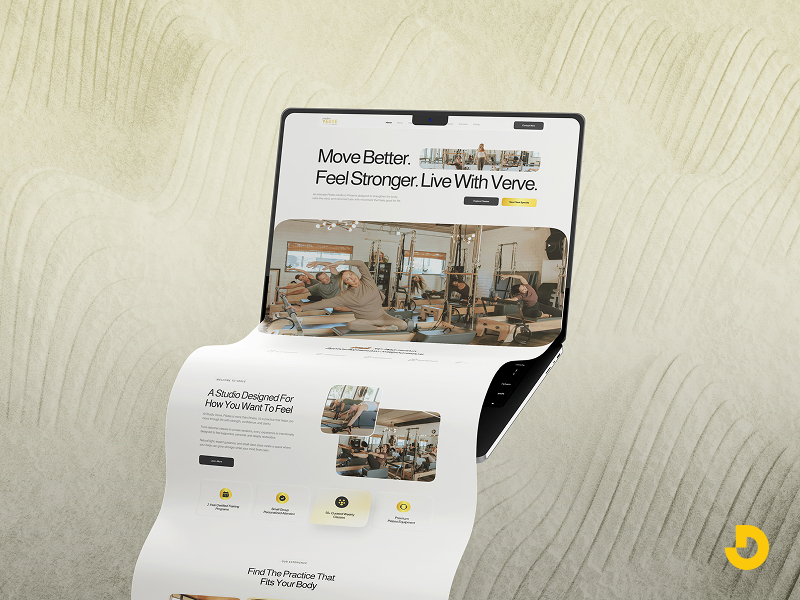
These are the features that separate a website that just looks fit from one that actually grows your membership. Here they are at a glance, then in detail below.
Fitness website features and why each one matters
| Feature | What It Does | Why It Grows Membership |
|---|---|---|
| Online membership signup | Lets visitors join and pay directly on the site. | Captures ready-to-buy members instantly, day or night, with no phone call. |
| Class booking system | Live schedule with online class and session booking. | Fills classes, reduces admin, and keeps members coming back. |
| Mobile-first design | Built for the phone screen first, then desktop. | Most "gym near me" searches happen on mobile—a smooth phone experience wins them. |
| Clear membership pricing | Transparent plans and what each includes. | Removes hesitation; hidden pricing is a top reason visitors leave. |
| Free trial & lead capture | Offer forms for free passes and consultations. | Turns undecided browsers into leads you can follow up and close. |
| Trainer & staff profiles | Bios, specialties, and credentials for your team. | Builds trust and helps members pick the right coach or personal trainer. |
| Reviews & transformations | Testimonials and real before/after results. | Social proof is the strongest motivator in fitness marketing. |
| Video & virtual classes | Intro videos, tours, and on-demand workouts. | Shows your vibe, boosts engagement, and adds recurring revenue. |
| Member portal / app integration | Login area synced with your gym management software. | Lets members manage bookings and billing, improving retention. |
| Fast load speed | Optimized media, clean code, reliable hosting. | Slow sites lose visitors and rank lower on Google. |
| Local SEO | Google Business Profile, location pages, keywords. | Helps you rank for "gym near me" so people can find you at all. |
The core features of a gym website built to attract and convert members.
The most important feature of any gym website is the ability to join online. When a visitor is motivated, they want to sign up in that moment, not wait for the front desk to open. Online membership signup with secure payment captures that intent instantly and turns it into recurring revenue. Pair it with a bold, always-visible "Join Now" or "Start Free Trial" button on every page.
For studios, boxes, and boutique gyms, a class booking system is essential. Members should see a live schedule and reserve a spot in seconds, from any device. Online class booking fills your timetable, cuts down on phone calls and no-shows, and gives members a reason to keep returning to your site. Integrations with tools like Mindbody, Glofox, or a custom booking system keep everything in sync.
Most people find gyms on their phones, often mid-scroll or on the go. A mobile-first fitness website is built for the small screen first: big tap targets, readable text, and signup and booking always within reach. If your site is hard to use on a phone, you are handing those members to a competitor with a smoother experience.
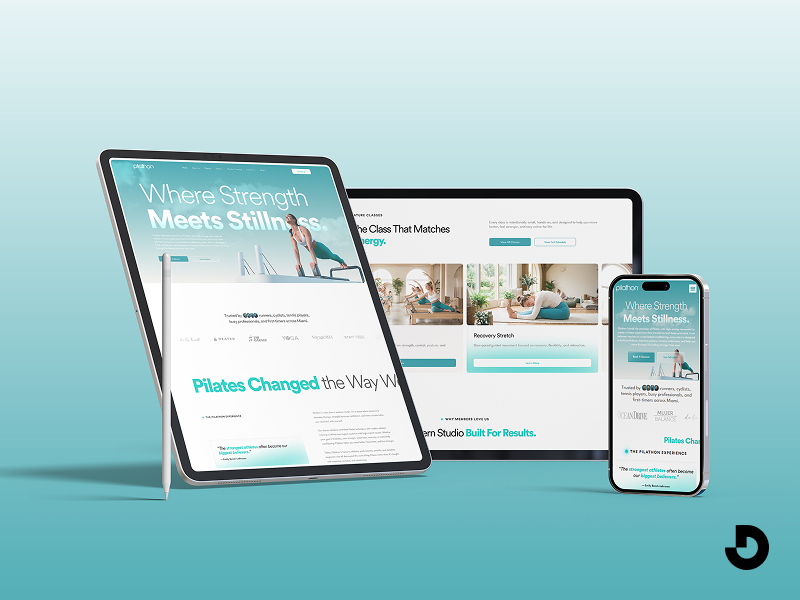
Hidden pricing is one of the biggest reasons visitors bounce from gym websites. A clear membership pricing page that shows your plans, what each includes, and any joining offers removes hesitation and builds trust. Comparison-style pricing helps visitors self-select the right plan and move toward signup with confidence.
Not everyone is ready to commit on day one. Smart lead capture, such as a free-pass form, a consultation booking, or a downloadable workout guide, lets you collect contact details from undecided visitors. You then follow up by email or text and convert them over time. In fitness marketing, the free trial is often the single biggest lead driver.
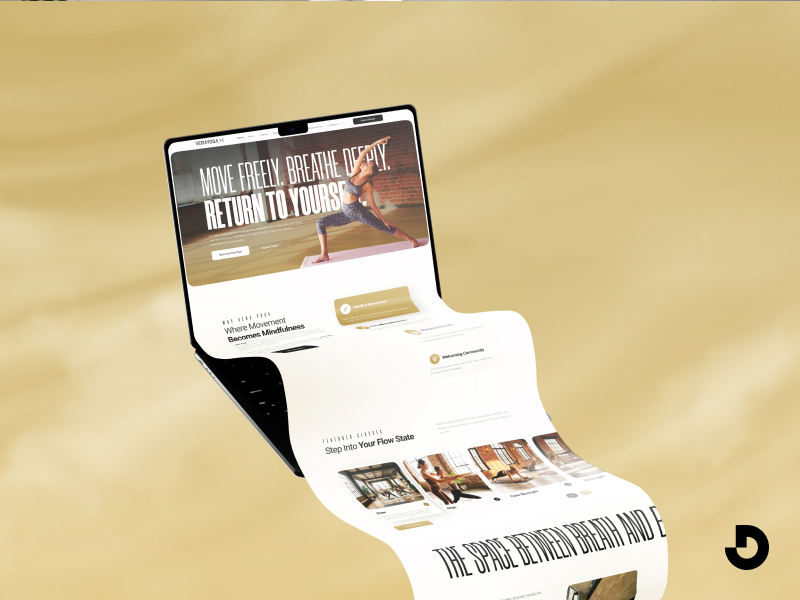
People join gyms for the people as much as the equipment. Dedicated trainer profiles with bios, specialties, certifications, and photos build trust and help members choose the right coach. For personal-training brands, a strong personal trainer website section can be the deciding factor in a booking.
Nothing sells fitness like proof. Featuring member reviews, testimonials, and before-and-after transformations shows real results and taps into the strongest motivator in the industry. Place your best social proof near signup buttons and pricing to nudge hesitant visitors toward joining.
Video shows your energy in a way photos cannot. A short facility tour, class previews, or trainer intros help visitors feel your vibe before they arrive. Adding on-demand or virtual classes also opens a new revenue stream and keeps at-home members engaged with your brand.
A logged-in member portal connected to your gym management software lets members book classes, manage billing, and track progress in one place. This convenience improves retention, and retention is where gyms make their real money. Integrations with fitness apps and wearables add even more stickiness.
A slow website loses visitors before it even appears, and Google ranks slow sites lower. Optimized images and video, clean code, and reliable hosting keep your fitness website fast, which protects both conversions and search rankings.
None of these features matter if people cannot find you. Local SEO for gyms helps you appear when nearby people search "gym near me," "fitness classes in [city]," or "personal trainer near me." That means a connected Google Business Profile, consistent name, address, and phone details, location-specific pages, and content targeting your city and services.
Your gym website should sell memberships while you coach, sleep, and run classes. When it combines easy online signup, class booking, transparent pricing, real results, and strong local SEO, it becomes a 24/7 growth engine instead of a digital brochure.
At The Designocracy, we design and build high-performing fitness and gym websites, pairing bold, on-brand design with the signup, booking, and SEO features that turn visitors into loyal members. If your current site is not filling classes, let's change that.
Get a restaurant website built to fill tables, not just look good.
Book Your Free Consultation