September 15, 2026
UI vs UX Design: What's the Difference? (Simple Guide)
UI and UX design are not the same. This easy book explains the difference and provides real-world examples, so you know exactly what your project requires.
Published On: May 4, 2026
Published By: Designocracy

Web development is the process of creating, building, and maintaining websites and web applications that run on the internet. It includes two main areas: front-end development, which handles the visual interface users see and interact with using HTML, CSS, and JavaScript, and back-end development, which manages the server-side logic, databases, and infrastructure that power the site. A full-stack developer works with both the front-end and back-end of a website.
You see it every day. You click links, fill out forms, and watch videos. But what makes those things work?
That is the best web development.
It is the process of building and maintaining websites and web applications. It covers everything from a simple text page to complex social networks and e-commerce stores.
If you want to understand how the internet works or build a career in tech, here is what you need to know.
Most people only see the surface. But behind every website, there are two distinct environments working together.
This is what the user sees and touches. It includes the layout, colors, buttons, and images.
When you open a website and see a menu bar or click a button that changes color, you are using front-end code. The main technologies here are HTML, CSS, and JavaScript.
Front-end developers also use frameworks like React, Angular, or Vue.js to build complex user interfaces faster.
You do not see the back-end. But it does the heavy lifting.
It is the engine of the website. It manages databases, user logins, and server logic. When you log into a site or search for a product, the back-end verifies your identity and pulls the data from a database.
Back-end developers use languages like Python, PHP, Java, and Node.js. They also work with databases like MySQL and PostgreSQL to store information.
Some developers learn both sides. They are called full-stack developers.
They can build an entire application from scratch. They understand how the front-end talks to the back-end. This is a highly valued skill because it gives you a complete view of the project.
You cannot ignore the internet. A business without a website looks untrustworthy.

But a bad website is just as damaging. If your site loads slowly or breaks on a mobile phone, customers leave. Web development solves this.
Good development ensures your site is:
At Designocracy, we believe that strong development turns a good design into a powerful business tool. It bridges the gap between how a site looks and how it performs.
Building a website is not random. Developers follow a clear checklist to avoid mistakes.
Before writing code, you define the goal. What is the site for? Who is the user? Teams write a brief outlining the pages, features, and timeline.
Designers create a blueprint (wireframe). This is the layout without the code. It maps out where the buttons, text, and images go.
You have to break things before users do. Developers test for bugs, broken links, and slow load times. They check that the site works on Chrome, Safari, and Firefox.
The site goes live. But the work does not stop. Developers monitor for crashes, update software, and fix issues as they appear.
Web design is about the look and feel. Designers choose the color palette, typography, and user flow.
Web development is about making that design actually work. Developers take the design file and turn it into a live, clickable website.
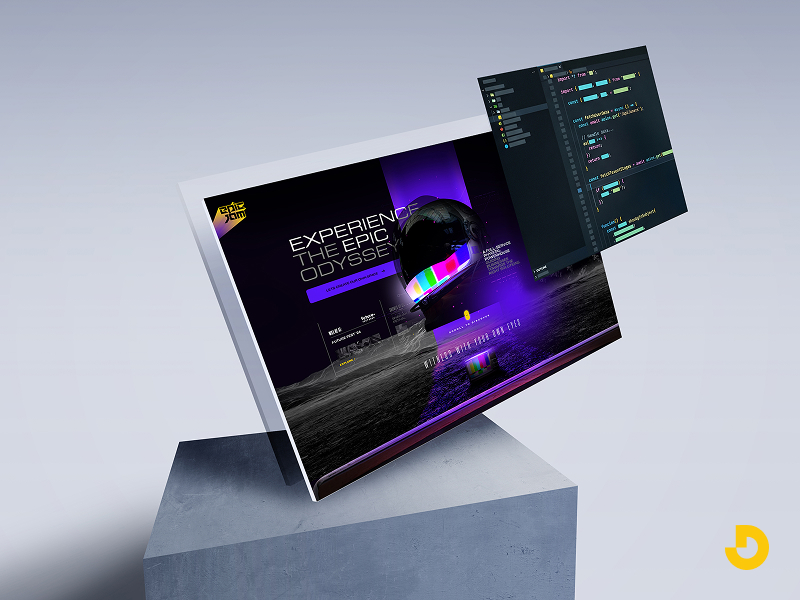
Think of it like building a house. The architect draws the plans (design). The construction crew builds the structure (development).

You do not need a computer science degree.
Start with HTML and CSS. Then move to JavaScript. Finally, learn a back-end language like Python or Node.js.

Practice consistently. Build projects. Break things and fix them.
| Topic | Description | Technologies / Tools | Key Benefits |
|---|---|---|---|
| Web Development | The process of creating, building, and maintaining websites and web applications that run on the internet. | HTML, CSS, JavaScript, Python, PHP, Node.js | Helps businesses establish an online presence and deliver digital experiences. |
| Front-End Development | Focuses on the visual interface users interact with including layouts, buttons, and animations. | HTML, CSS, JavaScript, React, Angular, Vue.js | Improves user experience, responsiveness, and website engagement. |
| Back-End Development | Handles server-side logic, databases, authentication, and application functionality. | Python, PHP, Java, Node.js, MySQL, PostgreSQL | Ensures websites work securely and efficiently behind the scenes. |
| Full-Stack Development | Combines both front-end and back-end development skills to build complete applications. | React, Node.js, MongoDB, Express, SQL | Provides flexibility to manage complete web projects from start to finish. |
| Responsive Design | Makes websites adapt properly to mobile phones, tablets, and desktops. | CSS Media Queries, Bootstrap, Tailwind CSS | Improves mobile usability and search engine rankings. |
| Website Security | Protects websites and user data from cyber threats and unauthorized access. | SSL Certificates, Firewalls, Security Plugins | Builds customer trust and prevents data breaches. |
| Version Control | Tracks code changes and allows developers to collaborate efficiently. | Git, GitHub, GitLab | Prevents code loss and improves teamwork. |
| Content Management Systems (CMS) | Platforms that allow users to manage website content without coding. | WordPress, Shopify, Wix | Simplifies website management and content updates. |
| Web Development Process | A structured workflow including planning, design, coding, testing, and launch. | Figma, VS Code, Chrome DevTools | Ensures smooth project execution and fewer errors. |
| AI in Web Development | AI tools help developers automate coding, debugging, and optimization tasks. | GitHub Copilot, ChatGPT, AI Code Assistants | Speeds up development and improves productivity. |
| Accessibility | Ensures websites are usable for people with disabilities. | ARIA Labels, Semantic HTML, WCAG Standards | Improves inclusivity and legal compliance. |
| Performance Optimization | Improves website loading speed and user experience. | Core Web Vitals, Image Compression, Caching | Enhances SEO rankings and reduces bounce rates. |
Web development is the act of building the internet. It combines logic, creativity, and problem-solving.
Whether you want a career, a business, or knowledge, learning web development is a valuable skill.