September 15, 2026
UI vs UX Design: What's the Difference? (Simple Guide)
UI and UX design are not the same. This easy book explains the difference and provides real-world examples, so you know exactly what your project requires.
Published On: May 7, 2026
Published By: Designocracy

SEO for e-commerce websites is essential for improving search engine visibility, driving traffic, and ultimately increasing sales. In today's competitive online market, businesses must optimize their websites to stand out.
This guide will provide you with an in-depth overview of SEO for e-commerce, offering practical steps you can take to optimize your website and grow your online presence.
Whether you're new to SEO or looking to refine your approach, this guide will help you achieve success.
SEO is the practice of optimizing your website to rank higher in search engine results. For e-commerce websites, this means ensuring that your product pages, category pages, and content are optimized for the best possible user experience while meeting the technical needs of search engines.
When done right, SEO can drive targeted organic traffic to your site, helping you reach customers who are actively searching for products you offer.
It's also cost-effective compared to paid advertising and provides long-term benefits that can compound over time.
E-commerce businesses that prioritize SEO tend to see better results in the form of higher organic traffic, more conversions, and improved user engagement.
Effective SEO starts with understanding the keywords your target audience is searching for. For e-commerce websites, it's important to target both short-tail and long-tail keywords that match your products and services.

By targeting the right keywords, you can ensure that your content aligns with what potential customers are searching for.
Product pages are the heart of any e-commerce website. These pages must be optimized to attract customers and rank well on search engines.
Technical SEO ensures that search engines can crawl and index your website efficiently.
Content marketing helps drive traffic and build authority for your e-commerce website.

High-quality content helps engage visitors and improve backlink opportunities.
Backlinks are an important ranking factor in SEO. High-quality backlinks signal authority and trustworthiness to search engines.
The more high-quality backlinks you earn, the stronger your rankings can become.
Featured snippets are highlighted search results that appear at the top of Google. Optimizing for snippets can increase visibility and clicks.
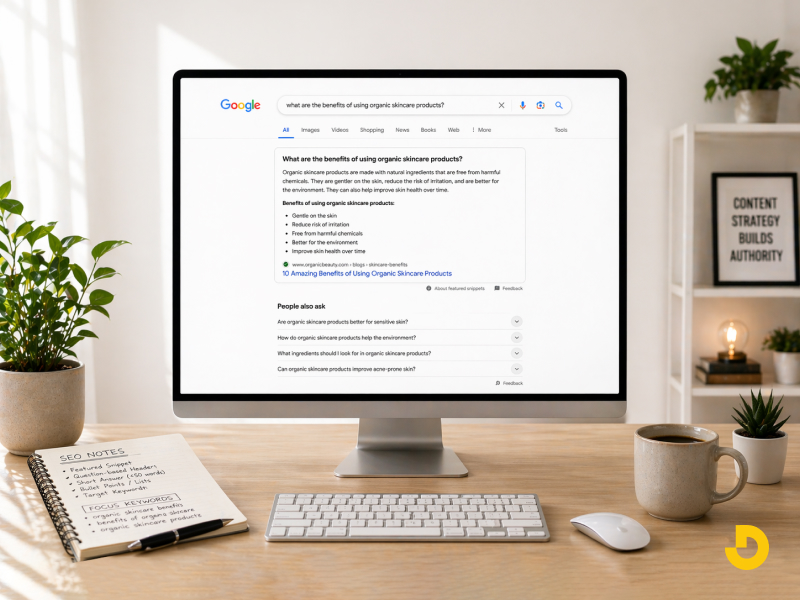
Optimizing product pages with keywords, descriptions, and metadata can improve your chances of appearing in featured snippets.
User experience plays a major role in SEO performance. Poor navigation and slow load times can increase bounce rates.

| SEO Element | Description | Best Practices | SEO Benefits |
|---|---|---|---|
| Keyword Research | Identifying search terms customers use to find products online. | Use tools like Ahrefs, SEMrush, and Google Keyword Planner. Target long-tail and buyer-intent keywords. | Improves search rankings and attracts targeted organic traffic. |
| Product Page SEO | Optimizing product pages for search engines and conversions. | Use optimized title tags, meta descriptions, unique content, and keyword-rich URLs. | Increases visibility, click-through rates, and sales conversions. |
| Meta Tags Optimization | SEO-friendly titles and meta descriptions improve page relevance. | Keep titles under 60 characters and meta descriptions under 155 characters. | Helps improve click-through rate (CTR) from search engines. |
| Technical SEO | Ensures search engines can crawl, index, and understand website content. | Optimize site structure, XML sitemaps, HTTPS security, and canonical tags. | Enhances website indexing and technical performance. |
| Mobile Optimization | Makes e-commerce websites responsive across all devices. | Use responsive design and optimize mobile usability. | Improves mobile rankings and user experience. |
| Page Speed Optimization | Improves website loading time and performance. | Compress images, enable caching, and minimize CSS/JavaScript files. | Reduces bounce rates and improves Core Web Vitals scores. |
| Image SEO | Optimizing product images for accessibility and rankings. | Add descriptive alt text, use optimized file names, and compress image sizes. | Improves Google Images visibility and page speed. |
| Schema Markup | Structured data that helps search engines understand products better. | Add product schema, review schema, and FAQ schema. | Enables rich snippets and improves SERP visibility. |
| Content Marketing | Creating valuable blog posts and informational content. | Publish how-to guides, product comparisons, and buyer-focused blogs. | Drives organic traffic and builds topical authority. |
| Link Building | Acquiring backlinks from authoritative websites. | Use guest posting, influencer outreach, and broken link building. | Improves domain authority and search rankings. |
| Featured Snippet Optimization | Structuring content to appear in Google featured snippets. | Use question-based headings and concise answers with lists. | Increases visibility and organic click-through rates. |
| User Experience (UX) | Enhancing navigation, usability, and shopping experience. | Improve navigation, search functionality, and checkout flow. | Reduces bounce rates and increases conversions. |
| HTTPS Security | Securing websites with SSL certificates and encrypted connections. | Implement HTTPS across all pages and payment processes. | Builds trust and supports higher search rankings. |
| Site Architecture | Organizing website pages into a logical hierarchy. | Use categories, subcategories, and breadcrumb navigation. | Helps users and search engines navigate efficiently. |
| Conversion Optimization | Improving the ability of visitors to complete purchases. | Optimize CTAs, checkout pages, trust signals, and product layouts. | Increases sales and improves ROI from SEO traffic. |
SEO for e-commerce websites is a comprehensive strategy that combines keyword research, technical SEO, content marketing, and user experience optimization.
By implementing the strategies outlined in this guide, you can improve your search rankings, increase traffic, and drive more sales.
At Designocracy, we help e-commerce businesses optimize their websites for maximum visibility and performance.