October 6, 2026
Rebranding Guide: When and How to Do It Right
A practical rebranding guide that explains when it's time to rebrand, how to do it without losing clients, and what mistakes to avoid.
Published On: December 12, 2025
Published By: Designocracy

Starting your own business isn't just a dream anymore. All it takes is being adaptable, using digital tools, and solving a problem, and anyone can achieve success. The best small businesses are those that understand and adapt to consumer trends, leverage technology, and solve real problems. Whether you want a side hustle or a full-time career, it's all about finding that one idea that combines your abilities with a genuine opportunity. This list focuses on ideas that are promising, aren't too expensive to start, and are perfect for the new year.
A profitable small business branding services isn't just a good idea; it requires certain fundamental characteristics. One key factor is whether the business solves a specific, recurring problem and meets a genuine need. Profitability also depends on healthy gross margins the difference between the cost of goods sold and the selling price. The business model should allow for efficient delivery of products or services.
Scalability is another crucial element. A profitable business should be able to grow revenue without a linear increase in time and overhead, often through repeat sales or scalable systems. Finally, a profitable business in 2025 needs to align with market trends, focusing resources where they maximize impact and sustainability. It should leverage valuable specific skills, target a viable market, and operate with an effective model.
Trying to compete with Amazon is a losing game. Modern e-commerce works best with a niche store focused on a passionate audience. Think eco-friendly pet products, gourmet spices for home chefs, or high-performance apparel for specific sports. Building a strong community and deep product knowledge is key. Platforms like Shopify make it easy to start with a low budget. Profit comes from sourcing unique products, building a strong brand, and mastering targeted marketing on social media and Google.
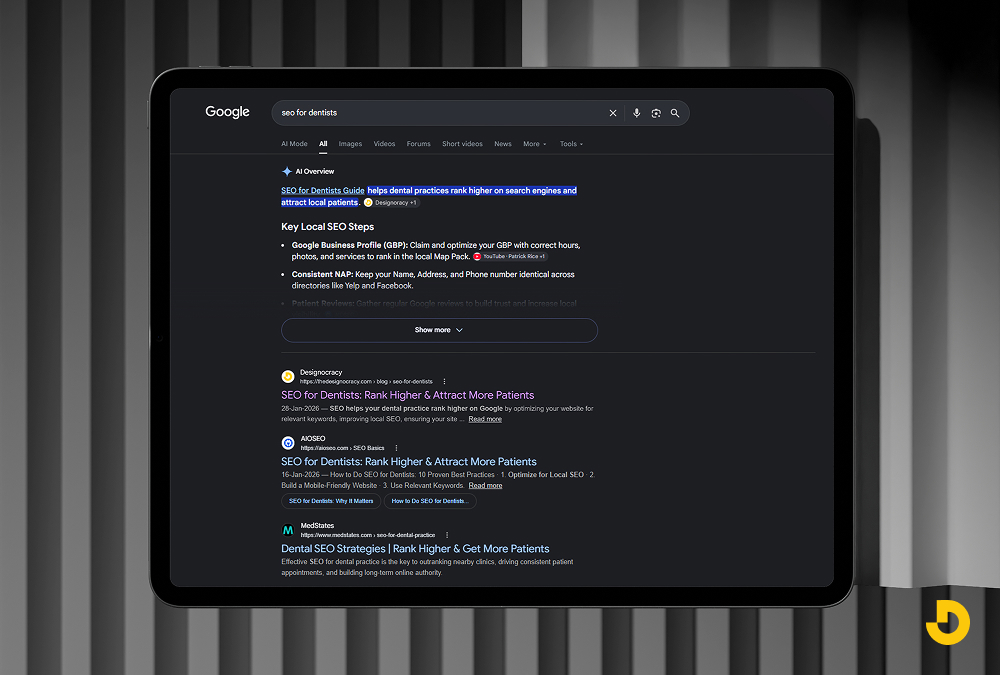
Businesses need an online presence but often lack the expertise or time. If you have skills in SEO, social media, content writing, or paid advertising, you can start an agency. Begin as a solo consultant for a specific niche (e.g., SEO for local dentists) and expand. Startup costs are minimal just a laptop, software subscriptions, and a website. Profitability increases when you move from trading hours for money to offering retainer packages or white-label services.

Demand for cleaning and home organizing services remains consistently high. It's a low-investment business you can start with basic supplies, a vehicle, and insurance. You can premium size your service with options like deep cleaning for move-in/move-out, eco-friendly cleaning, or professional KonMari-style organizing. Trust and referrals are key to building a steady client base and creating recurring income.
The health and wellness industry continues to boom beyond traditional gyms. As a coach, you can help clients virtually or in-person with goals like fitness, nutrition, yoga, or mindfulness. The model becomes highly scalable when you shift from one-on-one sessions to group programs, pre-recorded courses, or subscription memberships. Your main investments are certifications and marketing. Creating digital products like apps or video libraries can significantly boost profitability.

With growing consumer focus on sustainability, opportunities abound. You can either sell sustainable products (like reusable home goods, upcycled fashion, or plastic-free personal care) or offer sustainability consulting to help small businesses reduce waste, improve supply chain ethics, and communicate their efforts authentically. This idea connects with a powerful trend, allowing you to build a mission-driven brand that fosters loyalty and justifies premium pricing.
If you have technical skills or can partner with a developer, building niche software can be highly profitable. The goal isn't to create the next Facebook but to solve a specific, painful problem for a professional group like a scheduling app for therapists or inventory software for small retailers. Launched as a Software-as-a-Service (SaaS), you charge a monthly subscription, leading to high margins and predictable revenue. Note that it requires ongoing development and customer support.
The food industry has room for innovation at a small scale. Ideas include small-batch hot sauces, gluten-free/vegan baked goods, or ready-to-eat meal kits. Start by selling at farmers markets, online, or to local boutique cafes to validate demand with lower risk than a full restaurant. Profitability hinges on cost control and efficient production. A strong brand story can make your product feel worth a premium over mass-produced alternatives.

As small businesses rely more on technology, they need IT support but often can't afford full-time staff. You can offer remote services like network setup, help desk support, data backups, and basic cybersecurity (firewalls, employee training). This business typically works on a monthly retainer, providing stable income. It requires technical certifications and trust, as you'll handle sensitive client data.
Businesses constantly need high-quality visual content. As a solo creator with a good camera and editing software, you can offer packages for social media content, product videos, podcasts, or drone footage. Specializing in a field like real estate or hospitality can help you command higher rates. Profitability grows as you build a portfolio and potentially hire other creators to scale.
If you're knowledgeable in a specific area, creating and selling online courses can generate passive income. Platforms like Teachable or Kajabi make it easy to host and sell courses on topics from professional skills (like Excel) to hobbies (like painting). The primary work is in course creation and marketing; after launch, you can sell to an unlimited number of students.

Starting a profitable business requires careful planning:
Profitability requires ongoing effort:
The small business most likely to succeed in 2025 combines a growing market opportunity with your unique skills and interests. Success is less about chasing trends and more about building a sustainable, valuable operation. Whether you're drawn to the digital potential of online courses or the essential service of tech support, the ideas listed offer diverse paths to financial independence. The common requirements are solid planning, quality execution, and adaptability. Remember, a successful business often starts with a small, calculated step, not a giant leap.