
October 6, 2026
Rebranding Guide: When and How to Do It Right
A practical rebranding guide that explains when it's time to rebrand, how to do it without losing clients, and what mistakes to avoid.
Published On: February 5, 2026
Published By: Designocracy
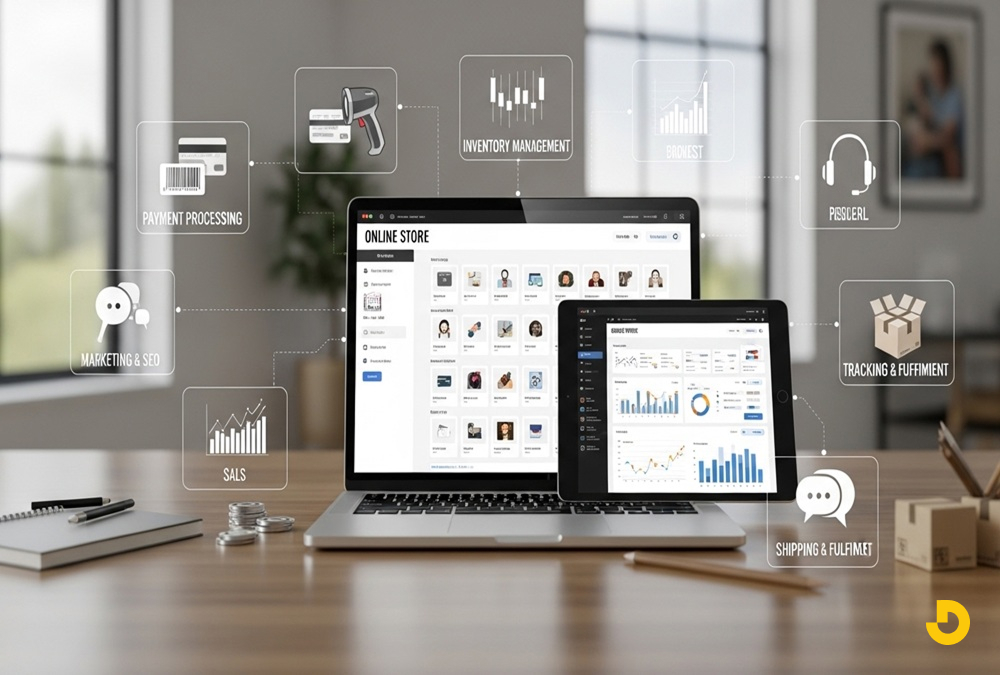
Running an online business involves much more than simply selling products or services. From managing inventory to analyzing sales, e-commerce entrepreneurs rely on a range of tools to help streamline their operations, improve customer experience, and grow their business. If you're an online store owner or planning to launch one, having the right set of tools can make a significant difference.
In this article, we'll discuss seven types of e-commerce tools that every online business should consider. Whether you're looking to boost sales, enhance marketing efforts, or manage your store more efficiently, these tools can help you scale your operations with ease.
An e-commerce platform is the foundation of any online business. It's where your website is built, where your products are listed, and where transactions occur. Choosing the right platform is crucial for a smooth operation. Popular options include Shopify, WooCommerce, BigCommerce, and Wix. Each has its strengths, and the best choice depends on your specific needs and technical expertise.
Your platform not only serves as the front-end interface for your customers but also supports back-end functions such as inventory management, payment processing, and order tracking. A solid platform integrates with other tools to provide a seamless experience for both you and your customers.
Some platforms, like Shopify, offer advanced features for businesses looking to scale. For example, Shopify's integration with The Designocracy allows businesses to create custom designs and streamline product management.
Once your customers make a purchase, the next step is processing payments. Payment processing tools are essential for securely handling transactions. Popular options include PayPal, Stripe, and Square. These services ensure that customers can pay using credit cards, debit cards, or digital wallets with confidence.

Having a reliable and secure payment processor builds trust with your customers and ensures smooth, timely transactions. If the payment process is complicated or insecure, potential customers may abandon their carts.
In addition, look for tools that support global payments. If you're selling internationally, you'll want a payment processor that can handle different currencies and international transactions.
Keeping track of your inventory is one of the most challenging tasks for e-commerce business owners. Inventory management tools like TradeGecko (now QuickBooks Commerce) and Zoho Inventory help store owners monitor stock levels, track sales, and even automate the reordering process when inventory runs low.
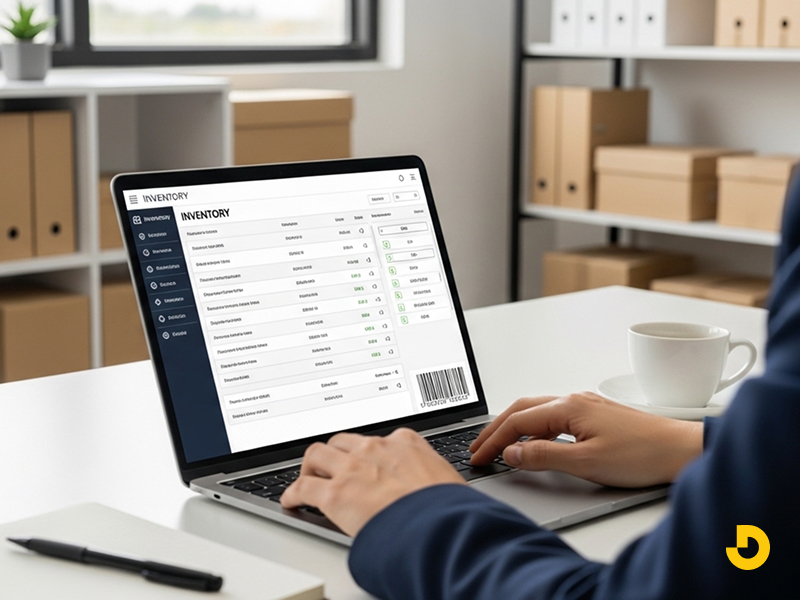
Inventory management can make or break your business. Running out of stock can lead to lost sales, while overstocking can result in unnecessary expenses. A good inventory management system ensures that you always have the right amount of stock to meet customer demand without tying up too much capital.
Inventory management tools can also help you prevent stockouts, reducing the risk of disappointing your customers and damaging your reputation.
Search Engine Optimization (SEO) plays a vital role in the visibility of your online store. Without proper SEO, your website may not appear on the first page of search results, reducing your chances of attracting organic traffic. Tools like Google Analytics, Moz, and Ahrefs can help you monitor your SEO performance, find the right keywords, and optimize your site for search engines.
Effective SEO helps you rank higher in search engine results, driving more traffic to your site. Marketing tools, on the other hand, assist you in reaching your target audience through email campaigns, social media promotions, and more.
Combining Ecommerce SEO and marketing tools can help you create a comprehensive digital marketing strategy that reaches your target audience and drives sales.
Providing excellent customer support is essential for building trust with your customers. Tools like Zendesk, Freshdesk, and Intercom allow businesses to manage customer inquiries, track support tickets, and provide timely responses.
Customer satisfaction directly impacts your business's success. A responsive customer support system can enhance the shopping experience, resolve issues quickly, and keep customers loyal.
These tools help you maintain positive customer relationships and ensure that issues are addressed efficiently, preventing negative reviews and improving customer retention.
Shipping can be one of the most time-consuming and costly aspects of running an online store. Thankfully, shipping and fulfillment tools like ShipStation, Shippo, and EasyShip simplify this process by integrating with your e-commerce platform and helping you manage shipping rates, labels, and tracking.
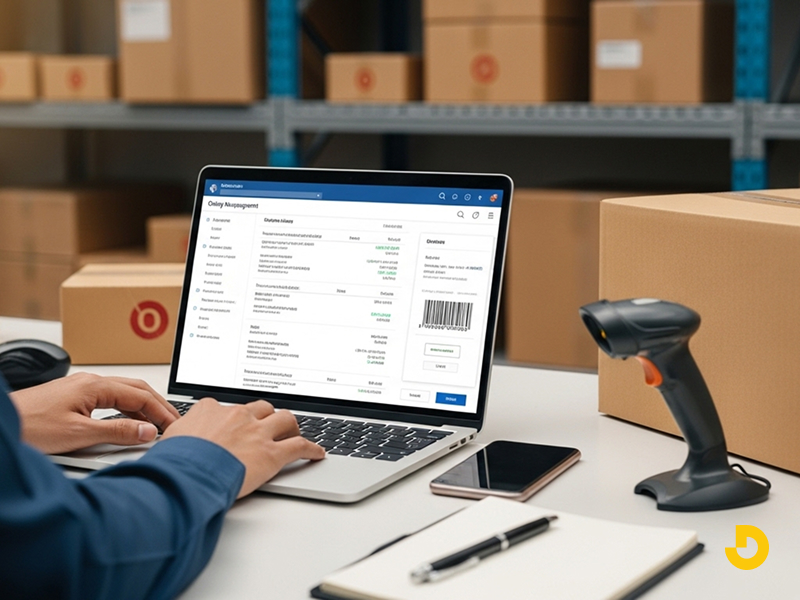
A streamlined shipping process ensures that customers receive their products on time, enhancing their overall experience. Plus, it helps you save time and reduce errors when fulfilling orders.
These tools can save you significant time and effort, enabling you to focus on growing your business instead of managing logistics.
Data-driven decision-making is key to the success of any e-commerce business. Analytics and reporting tools like Google Analytics, Shopify Analytics, and Klaviyo provide valuable insights into your website traffic, sales performance, and customer behavior.

Understanding your business metrics helps you identify trends, measure success, and pinpoint areas for improvement. By analyzing this data, you can make informed decisions about pricing, marketing strategies, and inventory management.
Analytics tools can help you track your store's growth and ensure you're heading in the right direction.
| Tool Type | Why It Matters | Key Features & Capabilities | Popular Examples |
|---|---|---|---|
| 1. E-commerce Platform | The foundation of your business. It's where your website is built, products are listed, and transactions happen. |
|
Shopify, WooCommerce (for WordPress), BigCommerce, Wix |
| 2. Payment Processing | Securely handles customer transactions. A reliable processor builds trust and prevents cart abandonment. |
|
PayPal, Stripe, Square |
| 3. Inventory Management | Prevents the critical issues of stockouts and overstocking, optimizing cash flow and customer satisfaction. |
|
TradeGecko (QuickBooks Commerce), Zoho Inventory |
| 4. Marketing & SEO | Drives organic traffic and helps you reach your target audience through various digital channels. |
|
Google Analytics, Moz, Ahrefs, Mailchimp |
| 5. Customer Support | Directly impacts success by resolving issues quickly, building loyalty, and improving retention. |
|
Zendesk, Freshdesk, Intercom |
| 6. Shipping & Fulfillment | Saves time and reduces errors in logistics, ensuring customers receive orders on time. |
|
ShipStation, Shippo, EasyShip |
| 7. Analytics & Reporting | Enables data-driven decisions by providing insights into sales, traffic, and customer behavior. |
|
Google Analytics, Shopify Analytics, Klaviyo |
Running an online business is challenging, but with the right set of e-commerce tools, you can simplify your operations, improve customer experience, and boost your sales. From e-commerce platforms and payment processors to marketing, customer support, and shipping tools, each of these seven categories plays a vital role in your online business's success.
By integrating the right tools into your workflow, you'll be able to manage your store more efficiently and create a better experience for your customers. If you're just getting started, it's worth investing in these tools early on. And if you're already running an online business, reviewing your current toolset can help you identify areas for improvement.
With tools like Shopify, Google Analytics, and inventory management platforms, you can stay ahead of the competition and scale your business with confidence. Happy selling!